
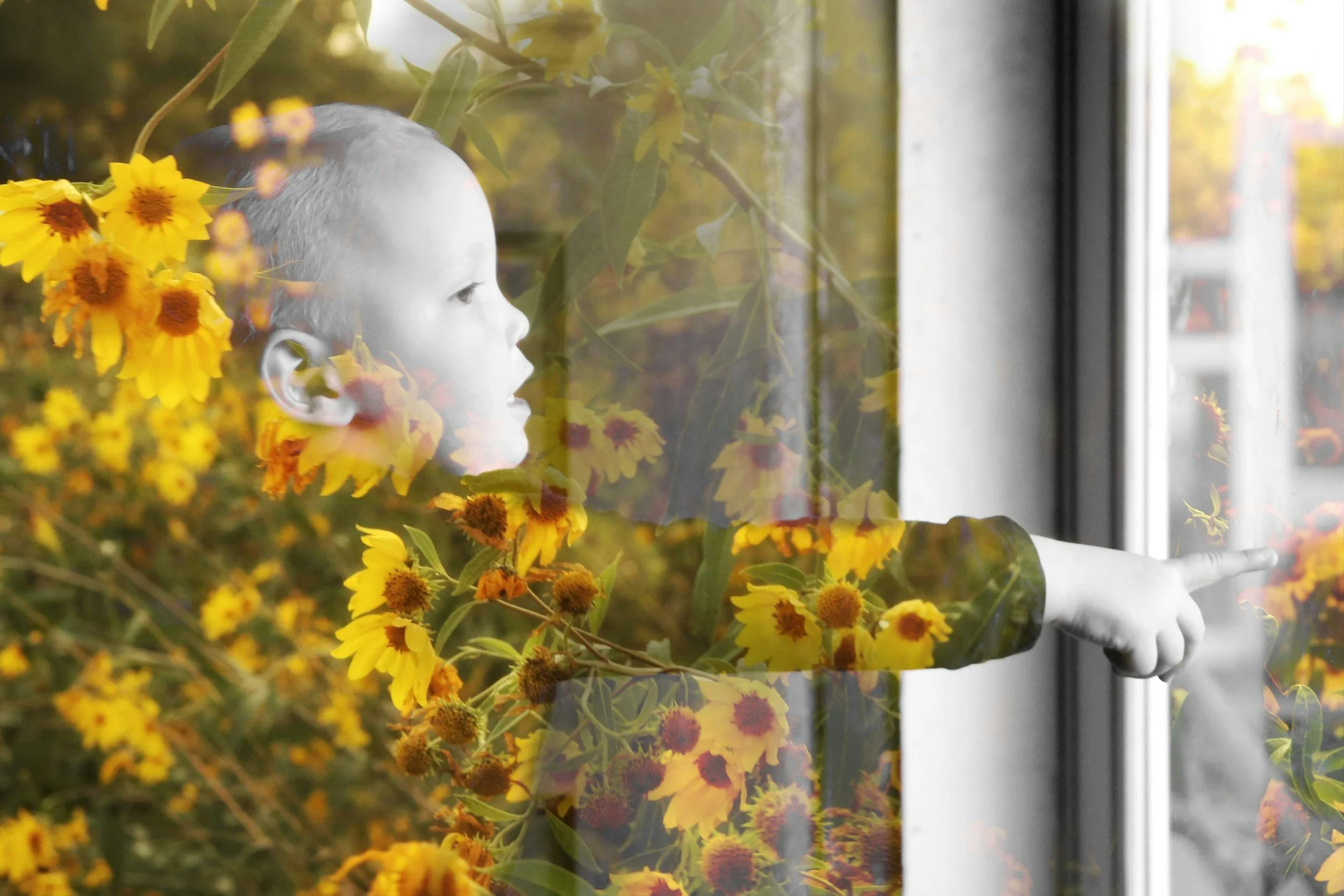
What does glass child actually mean?
The term glass child was first made popular by Alicia Meneses Maples after her TED talk in 2010, as she described her experience of growing up with two developmentally delayed brothers, one of which whom passed at a young age. Since then, there have been a number of TED talks and social media posts/discussions regarding the experience of glass children. So what actually is a glass child? This term can refer to a person who has a sibling or siblings with significant medical, physical, mental health, or other challenges that requires significantly more attention that the “well” child. Because of this, the so called well/healthy child’s own needs and experiences are not seen, and thus the child feels transparent or invisible, like glass, as though people see right through them and only see their “unwell” sibling. Though hard to establish for sure, the rates of glass children may be as high as 17% of the population, so this is not a uncommon experience.
Now, I do think it is important to discuss some of the experiences and potential effects of glass children, if they are not properly supported, or even if they are, some unfortunately may just be inevitable. But don’t worry- we will get to the positives soon. So let’s talk a bit about how this can affect the whole family unit. Whenever there is a child in the family who is noticeably different in terms of their needs and abilities, it tends to affect everyone within the family; both positively and negatively. For example, as Kate Swenson mentions in her book “Autism Out Loud”, Autism is a family diagnosis, as every member of the family is affected or impacted by the child’s journey with autism.
From the parent’s perspective, many parents have reported feeling significant guilt about not spending enough time with their “typical” children and frustration about missing out on important moments. Many have also expressed a fear of neglecting or parentifying their children. Some have expressed being made to feel guilty and judged from other parents about having more kids (because of perceived “faulty” genetics or inability to meet needs of all children). And not surprisingly, having a child with additional needs can affect the parents’ relationship due to lack of agreement about approaches as well as reduced time together away from the children.
And from the child’s perspective, Many have also expressed, struggle to advocate for themselves, becoming perfectionistic, having reduced self-confidence, and experiencing jealousy, Anger, and Resentment towards parents and siblings due to parentification, nobody asking how they are doing and differing treatment. Many expressed a desire to be recognized for their positive and selfless contributions by their parents and at least 58% of glass children had unexpressed emotions regarding their disabled sibling. Glass children, especially when younger, yearn for information and understanding regarding their older disabled sibling. In fact, children as young as 9 tended to take on the same level of stress and worry as their parents when there was a disabled child in the family, fear harm or death to their sibling or harm to themselves by their sibling, and if the siblings passes, even more pressure to be “fine.” Interestingly, female glass children generally feel more guilt, anxiety, and aggression than male glass children (likely to both to their biologically empathetic nature and societal expectations).
Many glass children expressed feeling as though they were forced to grow up too fast, had a hyper-awareness of reality and threats of harm/illness, and that their innocence disappeared at a younger age. A number of glass children also described feeling helpless watching their parents cry and siblings tantrumming. Many expressed a desire to “fix” sibling and make parents feel better and feeling guilty because they have had negative feelings about their siblings. Some even fear they will “catch” their siblings diagnosis, whether physical or mental. In fact, in her book, Mad House, Clea Simon expresses that she spent the majority of her childhood “Waiting to become mentally ill.”
A number of glass children explained that their relationship with their sibling was affected, secondary to differing treatment and/or attention. For example, feeling it is unfair that they are responsible for chores when disabled siblings aren’t, some even wishing to be “sick” because of the attention they receive, and confusion or resentment because of unequal discipline/harsher punishments, feeling they are not allowed to have “typical” sibling relationships (fighting, teasing, sibling rivalry, feeling annoyed), or that holidays/special events can be tainted or unbalanced, sometimes having to spend holidays separate from other family members for safety or other reasons. Some even described avoiding being home or hiding out within their home because of sibling tantrums and/or parents discord, or feeling embarrassment or obligation to protect their sibling.
In terms of the relationship with their parents, many glass children expressed feeling as though they were the “forever scapegoat”, and that they were often “walking on eggshells”, and if they show unhappiness then they are “not grateful for being normal”, as some are “denied their typical healthy opportunities for rebellion.” In some families, some described pressure of keeping “big family secret”, especially when dealing with siblings mental illness. And here’s an important statistic for parents: Sibling relationships varied from warm and positive to resentful and negative, depending upon parents actions, if caregiving was child’s choice, it was generally positive, if forced upon them it was generally negative.
And in terms of potential long-term effects, some have descried difficulty finding own identify aside from caretaker and disabled siblings sister/brother, emotional and physical isolation from peers and other family members, difficulty processing grief/not being allowed to grieve, and being quick to jump to catastrophizing or pushing down feelings, leaving them more vulnerable to panic attacks because of years of pushing down emotions. Additionally, many worry about possibility being their sibling’s caregiver in the future which may affect career choice, financials, future spouse, consideration of future children etc., Many glass children feeling guilty about leaving home when older, especially first-born children because of increased expectations. Studies have also shown that glass children experience increased anxiety, depression, suicidal ideation, withdrawal, and behavioral problems, and the more of a caregiver role taken by the glass child, the lower the quality of life, which may even be underestimated in the research, especially in terms of the effect of future romantic relationships and ability to self-advocate for emotional needs.
Okay, as promised, here are some positive effects of being a sibling to a child with a medical or mental disability. Studies show that many glass children Adapt to unexpected more quickly, are More mature and resilient, have Increased empathy, are more aware of people’s experiences/put things in perspective, have a strong ability to advocate for others, are more independent, have a true understanding of diagnosis and what is actually is, appreciate small milestones achieved by their siblings, and have improved family cohesion and self-perceived competence. There is also can be a family bond and strong sense of protection and unity, if and when parents are able to maintain healthy relationships and boundaries with all children.
So, of course the goal here is to increase awareness and support across the child’s lifetime and environments so that the positive effects can be maximized and the negative effects can be minimized as much as is possible. Let’s talk about some functional things you may consider to support your glass children. Providing 1:1 time from both parents with the “typical” kids is crucial at all ages. Providing private and/or secluded spaces within the home if possible. Building a community with people who truly understand and having support of romantic partner, friends. and other siblings have been shown to make a significant difference in outcomes. Individual, Group Therapy, and /or Family Therapy can be beneficial, depending on the family. In fact, studies have shown that when a glass child receives individual or family counseling, they less likely to persist in caregiver role. Workshops/psychoeducation for parents either through school or privately has been shown to be effective. Additionally, support groups for both parents and children, such as Sib Shops and Camps for siblings of those with medical illnesses have changed lives. And school supports can be crucial in terms of counseling and coordination between parents and school staff, For example, Sibs has sometimes provided school-based interventions.
Lastly, here are some things you can do from an emotional perspective that will likely have a positive impact on both the child’s emotional development and the relationship between the glass child and her parents and siblings. Don’t believe the child so quickly if they say they are “fine”, often times they are afraid to share how they really feel and are trying not to “rock the boat” or cause more pain. Make unconditional love for your child clear and evident. Give them permission to feel anything positive, negative, or otherwise, at any point in time. Allow your child to set appropriate boundaries with parents/siblings. Keep in mind that seemingly small acts by others can make a big and significant difference in the glass child’s life. Studies support better outcomes when parents discuss future with glass children ahead of time so they can plan and know what to expect and what parents wishes may be. If you are an educator or other professional, it is important to know that sometimes school personnel are first to ask how glass child is doing. Further, the research has shown that meaningful and supportive relationships were biggest factor affecting positive outcome for glass children, especially support groups with others experiencing similar situation. Remember, you are your child’s biggest advocate for most of their lives and they will look to you for validation and support, and often struggle to ask for help or identify their feelings. Also, if you are a parent of a glass child, try not to put any more guilt or pressure on yourself than you likely already have- just having this knowledge and being aware of the perspectives of other glass children will benefit your family immensely. Don’t be afraid to divide and conquer within the family or to ask for help and delegate care. Respite services can be very beneficial for this reason, not just for the child with a disability or to give the parents a well-deserved break, but also to allow the glass children time to spend alone with their parents where they can feel heard and supported.