
What Is Misophonia?
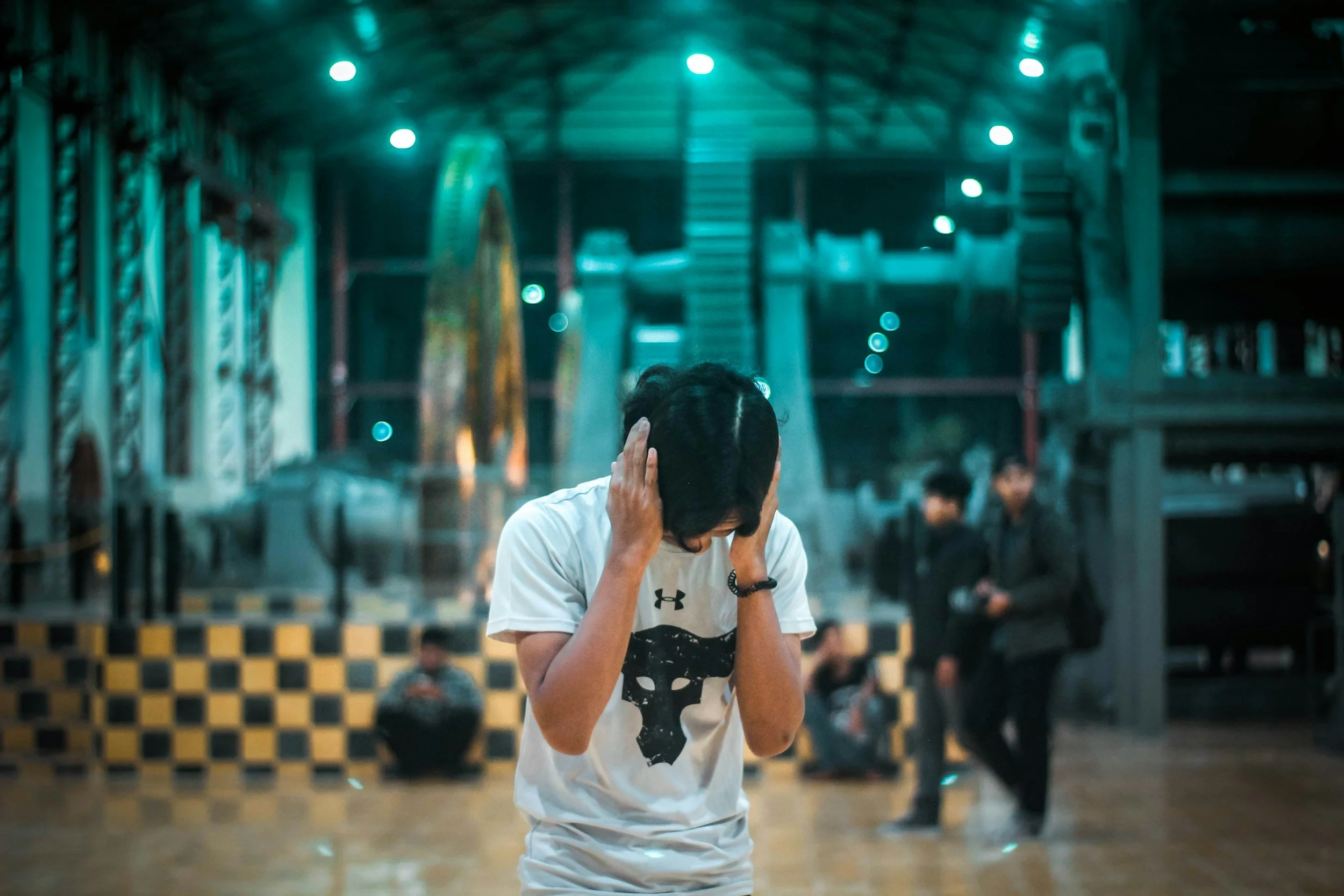
Does it mean you hate sounds?
The literal meaning of Misophonia is “hatred of sound”; however, that doesn’t quite explain the experience of one has. Misophonia results in abnormally strong reactions to patters of sound, which vary for each person. They are often “human-produced” noises like chewing, slurping, throat clearing, nose whistling, mouth breathing, sniffling, but sometimes pen clicking or other similar sounds. There is a very broad variety of misophonia triggers. These triggers often result in disgust and sometimes anger and even verbal or physical aggression in some cases. The definition of misophonia has been up for debate from a clinical perspective, as the underlying causes and appearance of misophonia seem to vary significantly and it has only really labeled and studies in the past 10-15 years. As such, misophonia is not currently in the ICD11 or DSM-5. Here’s what we do know. Misophonia is not a hearing disorder. As of now, misophonia is largely considered a psychiatric as opposed to a medical or audiological disorder. It is related to two other disorders: phonophobia (fear of sounds, common in ADHD and ASD) and hyperacusis (intense hearing, common in ASD), as there is some symptom overlap and some children can have more than one of these disorders; however, all 3 of these disorders have different treatments, sometimes by different professionals. Misophonia is different because these children generally can tolerate loud sounds and not afraid but more angry and irritable (more quality/environment as opposed to volume of sounds). The estimated clinical prevalence between 2 and 5%, 12-14% in the gen pop (subclinical). Some people may experience but “subclinical”, clinical if affects relationships, work, school Misophonia often develops in late childhood or early adolescence. Associations have been established with depression, anxiety, PTSD, OCD, ADHD, ASD, panic disorder, and William’s Syndrome.
So what happens within the body when someone has misophonic response? When presented with the triggering sound, the body has an autonomic response (removes cognitive appraisal) to “innocuous” auditory stimuli. heart rate and skin temp changes. Sympathetic nervous system reaction (fight/flight). Within the brain, studies have shown altered connectivity and activation in frontal and limbic areas, parts of the brain associated with evaluating risk, autonomic activation, “social pain”, decision-making, feeling anger or disgust and sensory and emotional processing. Specifc areas of the brain affected included the left amygdala, the anterior insula cortex, and the prefrontal cortex.
It is thought that misophonia generally results from behavioral conditioning as opposed to a medical atypicality, as it tends to be more triggered by known vs. unknown people and sounds and the person knows that the sound is not dangerous or threatening but still have reaction. These experiences are then associated with higher levels of anxiety and anger as well as judgment of own emotional states when reacting to aversive sounds. Some people feel a loss of self-control and cognitive dissonance when they react to aversive sounds, as it affects engagement in goal-directed behavior. Because the sound is aversive, this often results in anxiety/avoidance if there is anticipation of the unpleasant sounds/sensory experience, especially in certain settings/environments and thus other reactions/consequences likely maintains reaction. If the person’s behavior changes in an obvious way, it can further result in social difficulties, which then cause anxiety and perpetuate the cycle.
Neuropsych results generally consistent with ADHD/ASD profiles and general executive dysfunction (memory encoding, response inhibition, working memory, sustained attention)
Misophonia may impair attention, learning, and memory if distracted or over-aroused by misophonia. Children with misophonia often have reduced cognitive flexibility and reduced impulse control as well as connection between neuroticism, emotional dysregulation, and sensory sensitivities. In terms of specific assessments for misophonia, there have been several developed in recent years including: Amsterdam misophonia scale, misophonia questionnaire, duke misophonia questionnaire, misoquest, misophonia response scale, S-Five, misophonia physical sensation scale, duke-vanderbilt misophonia screening questionnaire, misophonia activation scale, and the Sussex myotonia scale for adolescents. Research is still being conducted to determined which are best for clinical use, but most good at differentiating between misphonia and hyperacusis.
So what does the research say about potential effective treatments or interventions for misophonia? Studies have supported mindfulness, acceptance and commitment, DBT for anger/tolerating triggers, CBT for anxiety/negative appraisal, help to learn to accept and tolerate distress and reduce avoidance, tinnitus retraining therapy (TRT; audiologists). Sound therapy is intended to replace a negative association with a positive association to a particular sound, reconditioning, strong effectiveness for TRT overall but requires additional research to confirm, moderate effectiveness for CBT, can also recondition via noise cancelling headphones, Others say sound therapy more effective if comorbid hyperacusis. A combination of counseling and sound therapy is recommended, and/or Some benefit from antidepressants or anxiolytics because of co-occurring disorders. Some clinicians have suspected there may be benefit from iTBS (intermittent theta burst stimulation), which is essentially a quicker form of TMS, as it may be helpful to adjust activation of certain areas because of the strong link between misophonia and depression/anxiety, though research has not been evaluated.