
Does having a bed or bedroom matter?
What are the effects of poor sleep quality? Research has demonstrated, on many occasions, that reduced sleep quality affects cognitive developmental in infants and toddlers. Poor quality of sleep often results in reduced emotional regulation, heightened negative emotional responses, and elevated cortisol and increased sympathetic and reduced parasympathetic activity (specifically in the cortical and limbic areas of the brain). Additionally, insufficient sleep results in increased risk for psychiatric difficulties, including anxiety and depression, impulsive behaviors, aggression, and inattention (may exacerbate or mimic ADHD). Daytime dysfunction (as a result of poor sleep) can affect a child’s social life and psychological well-being, as well as result in impaired memory and decision-making skills, reduced self-control, and poor academic performance. In another study, poor sleep quality in children was associated with reduced working memory, especially for those living in low SES communities, secondary to confounding factors and lack of supports within their community. Notably, poor sleep quality combined with experiences of poverty and discrimination can result in especially significant risks to mental health, but, on the other hand, consistent higher quality sleep can serve as a protective factor for marginalized and low SES populations in terms of cognitive function and mental health.
So let’s discuss the impact of an unstable sleeping environment and/or designated place to sleep. First, I want to make a critical point about any potential judgment or lack of empathy for those parents or caregivers that may struggle to provide consistent housing to children. It is important to know that 20% of those who are unhoused have a mental illness, and there are likely more who are undiagnosed. Additionally, though there are high rates of substance use in the unhoused, more commonly people become unhoused due to lack of housing and significant poverty, especially within ethnic minority populations. Those at reduced economic advantage often lack a dedicated sleep space, beds, and bedding, as low family income was shown to exacerbate sleep problems and psychosocial concerns.
All that being said, residential relocation or displacement is disruptive to children and can cause behavioral problems in school (i.e., the more instances of relocation, the more significant behavioral disruption), and this was shown to produce a more significant effect for children of middle school age and up. In addition, a chaotic/unpredictable sleep environment (including reduced quality of sleep space, room sharing, and bed sharing) resulted in reduced duration of sleep, variability in sleep, poor timing of sleep initiation (i.e., going to bed later), and increased parent reported sleep-problems. Further, household crowding and disorder (housing instability, homelessness, multi-family living, foster care) is associated with lower academic achievement, impulsivity, and delinquency. In fact, environmental unpredictability has been considered a form of childhood adversity, as it results in a loss of control and activates the stress response system, which can be disruptive to child development. And even more upsetting, if children do not have a dedicated sleep space or bed, they can be taken by child welfare and placed outside of their community, as parents need to meet certain housing requirements (according to western standards not indigenous standards) to maintain custody of their children.
Indigenous people in the US and Canada are especially vulnerable, due to displacement and high rates of poverty. For indigenous people in Canada, 36% are currently “on-reserve” for housing and approximately 53% are currently living in crowded conditions (varies by specific community). Though there was $44 billion intended to address housing shortages, only 4$ billion over 7 years has been granted. Many have expressed that poor housing conditions and lack of ownership or claim is a visible reminder of the influence of settler exploitation and forced relocations affecting mental health negatively. In the US, overcrowding within indigenous populations is 8x the national average and homelessness is double the average for other populations. 16% of indigenous families face overcrowding and though indigenous people comprise only 2% of the US population (i.e., 8 million of the over 400 million), they make up 7% of the homeless/unhoused population (i.e., 56,000 of the 800,000). Significant wait lists for housing result in long-term uncertainty, and significant portions of indigenous communities are currently living in subsidized and overcrowded housing. Many have expressed that poor housing conditions and lack of ownership or claim is a visible reminder of the influence of settler exploitation and forced relocations affecting mental health negatively. Of note, the special supplemental nutrition program for women and infants and children AND US public housing program both assist with rent but do not provide household furnishings, despite known effects on children’s well-being.
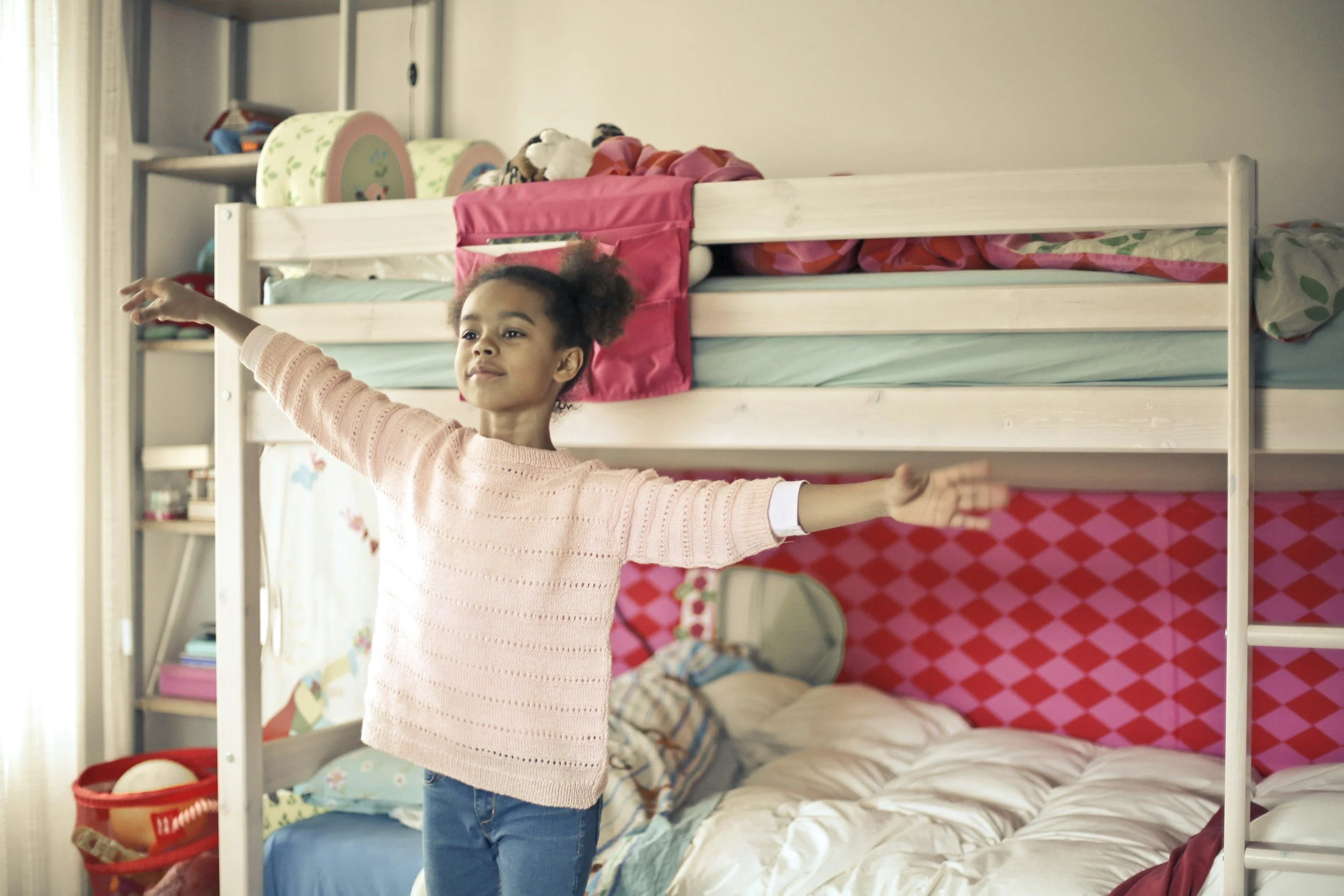
So how can improved sleep quality and sleep environment benefit children? Well, per the research, just having a bed and a room dedicated for sleeping allows for comfort, privacy, and security, and allows children to form meaningful attachments within their homes (associated with increased resilience). Interestingly, sharing a bed with a sibling, depending on the situation, did not necessarily impact sleep quality, which shows that safety and comfort are more important than anything else (as opposed to sleeping independently). In children ages 2-12 that received a bed and caregiver sleep education, nighttime sleep duration increased by approximately 30 minutes for children and approximately 1 hour for parents, in addition to reduced frequency and duration of nighttime awakenings and improved internalizing and externalizing behaviors (per parent report). Presence of comfort items (blankets, stuffed animals) were also associated with positive sleep outcomes. Though some children experienced a mild to moderate sleep regression initially during the transition stage, (due to difficulty sleeping alone due to changes in sleep routine), after about a month, children seemed to adjust well and improvements were seen at this time- including reduced night time wakings and improved sleep quality. Parents also reported that the children were more comfortable, felt they had their “own” space, displayed improved mood, and experienced reduced anxiety/worry. Even maternal sleep was significantly impacted, resulting in improved mood, health, and parenting, and thus improve children’s lives. Changes in sleep environment also provided structure and routine to families that may not have had before. When providing beds or other sleep materials or any other kind of sleep-based support, it is helpful to assess the individual family’s preferences for sleep arrangements and transition to the new beds, including potential preference for continued bed or room sharing, electronic use/access, and any relevant cultural differences. And for parents, it is important to express your desires and needs, even when others are helping you. The research also showed that those who underwent a rehousing intervention had improved mental well-being, feelings of safety, self-determination and increased control, as well as improved family dynamics, and identity repair. And finally, there are two foundations that are seeking to make a difference in some of these statistics and thus impacting the quality of children’s lives. Sleep in Heavenly Peace was started in Idaho for local families that were without beds and bedding materials for children. Beds for Kids (nonprofit that provides beds, bedding and bedtime hygiene materials in Philly) for children in need who often sleep on the floor or in a shared bed. There is no shame in asking for or receiving help and small differences to a child’s home environment can make a huge difference for an entire family.