
Should I give these a try?
Nootropics, or “smart drugs”, are any natural or synthetic substance, that may improve cognition, energy, and/or stress. Most nootropics originate from food, plants, or herbal extracts, though some are synthetic and require a prescription. They can be in the form of tea, powders, gummies, capsules, nasal sprays, extracts, tinctures, or chewable tablets. Nootropics can have different functions, ranging from sedation to stimulants. Most do not act directly upon neurotransmitters but affect them indirectly. Many improve blood flow, improve brain plasticity, and protect against inflammation in the brain by crossing the blood-brain barrier.
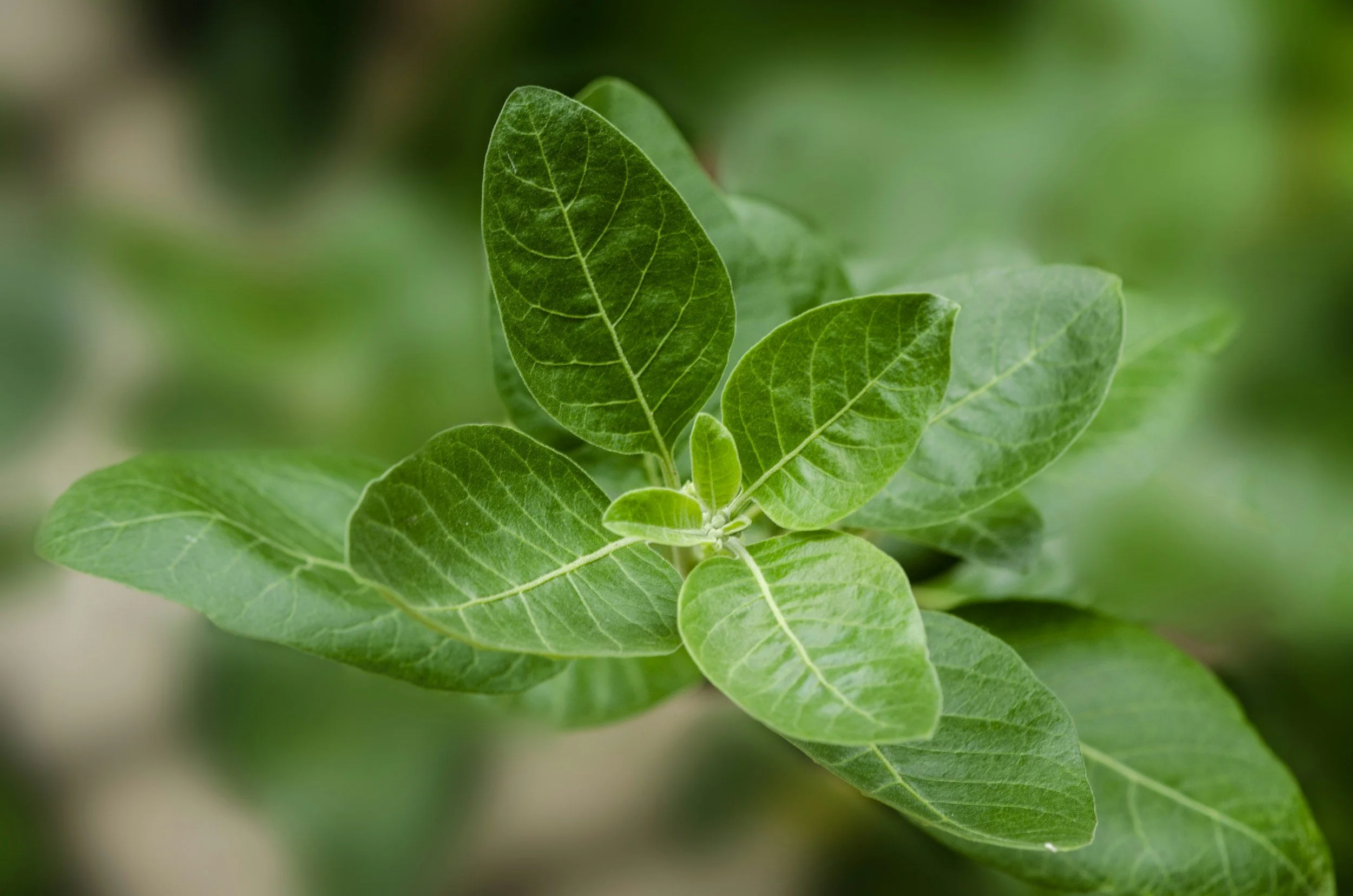
There are three nootropics we seem to have the most information about, which happen to also have the most scientific support behind them in terms of cognitive benefit and brain health; Ashwagandha, Saffron, and Magnesium L-Threonate. So let’s start with Ashwagandha. This is African/Middle Eastern spice used in Ayurvedic medicine used historically for energy and reduce stress/fatigue. Ashwaganha is commonly marketed via KSM-66, Sensoril, Essentra, Shoden, and NooGandha as supplements, some of which use the leaves, some the root, and some a mixture. It has been shown to have anti-inflammatory, antioxidant, and other immunomodulatory and anti-cancer properties, as well as calming the sympathetic nervous system, improving neural transmission, neuronal regeneration, and mitochondrial health. In the research, doses have ranged anywhere from 125mg to 1250mg, depending on use and parts of the plant extracted. Several studies have shown that ashwagandha reduces stress, fatigue, insomnia, anxiety, cytokines (which can lead to neuroinflammation) and cortisol levels (which are associated with increased stress), while increasing blood platelets, serotonin and GABA (of the happy calming neurotransmitters), acetylcholine (a neurotransmitter important for learning and memory), in addition to improving attention, reaction time, and memory. It is best taken at night because of a slight sedative effect and it is recommended that you start with a small dose initially and increase over time. Ashwagandha is generally safe and well tolerated; however, it can cause GI distress in large doses and there is a small potential for serotonin syndrome is you are on an SSRI or SNRI so always check with your doctor, especially if you are on one those medications, to ensure there are no potentially dangerous interactions. Studies show the longer you supplement with ashwagandha, the stronger the effects but although there have been some randomized control trials, some had limited sample sizes, with minimal follow-up, and a lack of comparison to psychotropic meds and clarity on leaf vs root effects. Additionally, as mentioned, there is limited knowledge about other drug and supplements/herb interactions.
Next, and hot on the social media market, is Saffron. This is a spice, and typically the stigma of the flower is used, and Affron is the most well-research brand. Saffron has anti-inflammatory, antioxidant properties. It has also been shown to improve mitochondrial efficiency, reduce oxidative damage, and increase serotonin and GABA in the brain. Saffron has been shown to improve sleep initiation/quality, focus, inhibition/restlessness, and overall executive functioning. It has also been observed to reduce depression, anxiety, and insomnia, although there were some mixed results. Doses recommended in the research have ranged from 15mg to 150mg. They have been recommended as adjunct therapy to stimulants or sole therapy for attention and possible adjunct for depression. Limited safety issues, less side effects than stimulants. There have been some double blind randomized control trials, but additional studies with larger sample sizes and longer follow-up are needed.
The third nootropic that has demonstrated cognitive benefit is Magnesium L-Threonate, which is a mineral bound to an amino acid, found in leafy green vegetables, whole grains, nuts, and fish. L-threonate helps with calcium absorption and interacts with dopamine, serotonin, and norepinephrine and glutamate. Interestingly, people with ADHD and depression have both been found to have lower magnesium levels. L-threonate was observed to have positive effects on attention anxiety, and depression as well as reduced hyperactivity/impulsivity; however, more stringent research is needed to confirm generalizability. Overall, magnesium l-threonate appears to be effective and well-tolerated, aside from causing mild GI distress.
Next, I want to discuss some nootropics that have demonstrated notable benefits in terms of mental and emotional well-being. First up is N-Acetylcysteine, or N.A.C. is derived from an amino acid, and also commonly found in onions. NAC has antioxidant effects and anti-inflammatory properties, as it supports mitochondrial metabolism, reduces cytokines, increases glutathione (an antioxidant), regulates glutamate and dopamine,. Reportedly, NAC has reduced suicidal ideation, reduced anxiety and PTSD symptoms. There have been mixed results in terms OCD/repetitive behaviors, as it may improve rumination and obsessions. There is some evidence that it reduces urges for addictive behaviors/substances, and may even reduce manic and psychotic symptoms. Presently, it is recommended as adjunct therapy for depression/anxiety. Doses recommended have ranged from 400mg to 2000mg, but you may need as many as 20-24 weeks for true improvement. Not advised during pregnancy or breastfeeding, or those with severe asthma but generally safe in most people orally or nasally.
The next up is SAMe, S-adenosylmethionine, which is considered a “nutraceutical”, as it is a natural compound found in liver, though not readily available from dietary sources. SAMe increases BDNF (brain-derived neurotrophic factor), enhances neuroplasticity, improves neuromodulary response, has anti-inflammatory properties, and increases dopamine, serotonin, and norepinephrine transmission. SAMe has folate and B12 involvement, and may be especially beneficial for those with low folate. There are reported benefits for depression and anhedonia, but no evidence of cognitive improvement aside from some reduced impulsivity associated with mood dysregulation. SAMe has not been shown to be as effective as antidepressants, but appears to be more effective than placebo, as it may accelerate or augment effect of antidepressants. There have been some randomized control trials, with variable results in terms of level of effectiveness. The recommended dose is anywhere from 800 to 3200mg. Tolerance has been generally good, but it may trigger mania in some, so it is imperative that those with mood dysregulation be followed closely by their treatment team.
Next is Rhodiola, a plant which is also referred to as golden root, of which you can use the leaves, stems, and root. Rhodiola has anti-inflammatory and antioxidant, properties and improves mitochondrial function, promotes proliferation and migration of neurons in the brain, and reduces cell death in hypoxia. It has also been shown to reduce stress, anxiety, depression, and fatigue; however, there was a lack of improvement in cognitive function. Recommended dose ranged from 360 to 600mg of extract. Appears safe based on clinical and pre-clincal trials, but not enough research with children or those who are pregnant/breastfeeding. Mild concerns of GI distress, headaches, and insomnia were reported as well.
Maca is a medicinal plant with antioxidant properties from Peru. You can use either dried roots or powder for extract. It may reduce depression and fatigue. Minimal effects on cognitive function in terms of memory/learning were observed. Recommended dose was 1.5-3g, depending on part of plant used. It appears generally safe but more research is needed to confirm. Going back to some oldies but goodies. Next up is Ginseng. Another Antioxidant plant for which one uses the root. It is thought to increase dopamine and serotonin. May improve memory, attention, and reduce fatigue but studies have shown variable results and lack of randomized control trials. Recommended dose was 5g to 3g dose (root) 200mg (extract). While generally safe, some irritability, restlessness, and insomnia were reported and it is not recommended to be combined with other caffeine/stimulants as well as being contraindicated for asthma or hypertension. Ginkgo Biloba is another plant in which the leaves can be used to make tinctures and the hulled kernels can be eaten. Thought to have antioxidant properties resulting in neural plasticity, and increased dopamine, glycine and GABA. Studies have demonstrated benefits on attention, learning/memory, processing speed and working memory as well as gait stability but mostly in older adults as opposed to healthy younger adults, and no improvement in executive functions were shown in young adults. Recommended dose was around 240mg. Ginkgo cannot be taken with blood thinners or in people with bleeding disorders or epilepsy. And we can’t forget St. John’s Wort, which is a flowering plant thought to increase in serotonin, dopamine, and norepinephrine. There may be some improvement in depression, anxiety, and sleep quality, but no real improvements in memory or ADHD. The recommended dose is 225-285mg extract and it has a generally a good safety profile.
Next up, Lion’s Mane. Lion’s mane is an edible mushroom, that has been shown to have antioxidant, antimicrobial, anti-neuroinflammatory, pro-BDNF, and anti-cancer effects. There has been variable evidence to support improved mood, reduced stress, and reduced impulsivity, yet no clear benefit for memory or other cognitive functions. Recommended dose is 3g-10g. More research is needed, secondary to limited placebo-controlled and double-blind studies. Another nootropic for which the research is mixed is L-theanine. L-theanine is an amino acid often found in black and green tea and some mushrooms and thought to affect glutamate, GABA, and dopamine. Some studies have demonstrated a mild positive effect on anxiety, stress, rumination, and depression. There have been past claims that it improves attention and memory but results have been inconsistent due to limited randomized control trials and small sample sizes, resulting in lack of reliability and generalization. Recommended dose is between 200mg and 450mg. L-theanine has been found to be generally safe with minimal side effects (mostly headaches). Turmeric is a Flowering plant from ginger family and believed to have anti-inflammatory properties. Turmeric may help with depression and anxiety as well as irritable bowel syndrome (IBS). Recommended dose is around 1000mg. Next up is Asiatic Pennywort, also known as Centella. The extract can be made from the stem, leaves, and roots. Positive effects were observed for depression, anxiety, and stamina, with variable reports of cognitive enhancement, particularly learning and memory. Recommended doses 200mg- 600mg for dried leaves and 60mg 60 120mg extract, Tumeric has been found to be generally safe, but may lower blood sugar.
The next bunch I will be discussing do not have quite as much research and have overall variable support, especially for cognitive benefit. L-carnitine is another amino acid that may increases acetylcholine and dopamine. Results have been variable in terms of improving attention with difficulty replicating prior positive results. It appears to be generally well-tolerated, but some GI distress, headache and insomnia are possible. Brahmi, is another plant derived by Ayurvedic medicine. It may improve verbal fluency and memory in older adults, but there was no evidence of improvement in executive function for young adults. It may work best with other nootropics and the best evidence has been demonstrated after 4 or more months, and it may depend on part of plant used (i.e., stem vs. root). Recommended dose is between 300 to 650mg of the CDRI-08 extract, or 150mg- 300mg of the Bacognize extract. L-Tyrosine is an amino acid and a precursor of dopamine. Differences in levels between those with and without ADHD not observed and no improvement was observed for attention or hyperactivity symptoms. Appears to be generally safe but some reports of headache, nausea, and heartburn. Sage is another plant, often sold as an essential oil or extract. It is suspected to increase acetylcholine and may improve attention, alertness, and memory in older adults. Recommended dose is 160 to 300mg or up to 60 drops/day. No safety concerns were recommended but taking significantly more than advised can result in seizures and tachycardia. Pycnogenol, orpine bark extract, is an antioxidants that may regulate dopamine and norepinephrine, with variable results demonstrated on hyperactivity and inattention in children and adults, which may be dose dependent. Recommended ose is generally 100 to 300mg. It is considered generally safe but some headache, nausea, and dizziness have been reported. OMEGA-3’s, are fatty acids that are considered a “nutraceutical”. There have been mixed results regarding ADHD in terms of improvement for hyperactivity and attention. There may be some mild benefit for focus possibly, though the supplement has been shown to be beneficial for overall health and generally well-tolerated. Selenium is a protein enzyme that is an Antioxidant. Per the research, there was no differences between children with and without ADHD and no observed benefit for attention. And finally, Zinc is a mineral that has pro-immune qualities found in red meat, poultry, beans, and nuts. Lower levels of Zinc in children with ADHD. Studies were variable, with some finding Improved hyperactivity/impulsivity, and improves efficacy of stimulant meds, while others No improvements in attention/focus. Dose= 50-150mg. Need to be careful of excess supplementation (GI, headaches).
This research on nootropics is important, as this is a multi-billion dollar industry and these supplements are becoming more popular every year, especially since the pandemic and with reduced trust in pharmaceuticals. Also, there have been concerns about other products within supplements and poor regulation. Even formulas including only a single drug have variability, because of multi factorial conditions and ingredients. There are many new multi-supplement combinations on the market. For example, Stasis, Thesis, and Neuro Gum are marketed as supplements to ADHD. Moreover, many college-age students use nootropics because they are easily accessible, sometimes even obtained on the “black market”, which can be unsafe. Generally, they are better regulated if synthetic because of purity, specificity of action, and the way in which they are grown and produced. Because we cannot supply enough just trying to collecting wild plants, need to be grown commercially and ability to harvest year-round.
An important thing to know is that most don’t show benefit for many weeks and long-term effects for many are still unknown. Most are well tolerated but it is important to find the right balance; if the dose is too low, you may experience a lack of effect, but if the dose is too high, it could be toxic or lead to aversive side effects. Overall, we need more research including neuroimaging to fully understand effects on the brain.Positive effects of nootropics are sometimes blown out of proportion in the media/marketing. Important to research heavily and understand there may be limited research for many of these supplements. ALWAYS consult with treating doctor or doctors if interested in any supplements, need to check for interactions and health conditions. Do not begin taking anything based on something you heard or read, must consult with medical professionals.