
Video Game Therapy? More Screens?
As we all know, every year there seems to be significant leaps in technology, especially within health care, which is certainly mixed in its reception and effectiveness. Not surprisingly, technology has made its way into psychotherapy as well.
So- is there any evidence to support this? Actually- yes (though everything in moderation of course). Some of the proposed benefits of this technology includes: people with autism, PTSD, and social anxiety tend to have a preference for digital therapy as opposed to standard therapy because of discomfort in sharing and seeking help secondary to trauma, fear, or difficulty communicating. These games also have been shown to increase buy-in, engagement, compliance, and treatment maintenance. Technological treatments can also be more affordable, more accepted, and more easily accessible than traditional cognitive-behavioral or exposure therapies. Also, some situational factors are heard to control (e.g., limited by cognitive function or imagination) or dangerous with traditional exposure and allows patients and therapists to fully control stimulus/exposure by observing discomfort and stimulation (direct communication with therapist).
So without getting too technical, what are these therapies about and how do they work?Basically, there are two main components from a therapy perspective, which are then combined with technology to execute. One is exposure: exposure is essentially when you are in the presence either mentally or physically of a whatever it is that was feared or traumatic for the person and you either a) gradually exposure yourself to what you fear until you essentially habituate, or get so used to the thought/experience/situation that it longer produces such a significant anxiety or trauma response or b) you essentially replace the negative thoughts or feelings with the feared experience with more positive or neutral ones so that it produces a different response (cognitive restructuring). Virtual Reality Exposure Therapy has been shown to be effective across those with anxiety, PTSD, phobias, and bipolar disorder.
Now the other one is reinforcement: reinforcement is a fancy words for rewards or consequences to improve motivation for a particular task. Motivation is often dependent upon autonomy, or ability to relay on yourself, competence, or ability to things successfully , and relatedness or connectedness to others. Now there are two main forms of motivation, extrinsic, where you receive an external reward or outcomes and intrinsic (likely money, food, or toys), where the motivation essentially comes from within (achieving personal goals, interest, happiness etc.). So the idea with some of these “games” is that through social interaction, feedback, mastery, challenges, and goal achievement your motivation is increased and you are more likely to engage in a behavior you otherwise may not have.
It’s important to note that some people are better motivation by external rewards (e.g., young children, some people with ADHD, people with perfectionism or those enjoying recognition), while others are better motivated by internal rewards (e.g., people with depression, autistic individuals, those with a tendency toward perfectionism). Since external rewards are limited and their novelty can wear off, a goal of many of these “games” or “therapies” is to create intrinsic motivation, as this tends to result in better learning overall. For children specifically, they often become satiated from a particular reward more quickly and easily than an adult would. Of note, as Alfie Kohn states in his book, Punished By Rewards, when rewards are presented as a “surprise” or unexpectedly, they provide the most motivation for a particular task, similar to how an addition behavior is maintained. Additionally, when children are learning a new task, they tend to perform best when the task is neither too challenging or too easy. And if the tasks are more stimulating, require creativity, and are functional then they can also increase internal motivation.
While external rewards may work well in the short-term, especially if the child is given a choice in their reward or manner of task completion, or to develop a new skill, as a whole rewards tend to decrease effort and accuracy, even if that accomplish a task in the moment. For example, if a child is rewarded for cleaning their room or writing an essay, their room is likely to be more messy and haphazardly cleaned, and their essay is more likely to be sloppy and shorter, than if they were generally interested in the task. Also, we have to be careful because sometimes giving rewards can mask the reason for the avoidance of the task in the first place. Many children benefit from collaboration with peers, while others benefit from competition with peers. Research has shown that some children benefit significantly from a competitive gaming environment, while others perform worse so it is important to understand what motivates a child and what their greatest needs and/or desires are at a given point. It is also important to gradually increase the difficulty and adjust demands within the game. Now just to note, I am talking about this largely in the context of gaming applications today but this of course applies to many everyday situations and contexts as well.
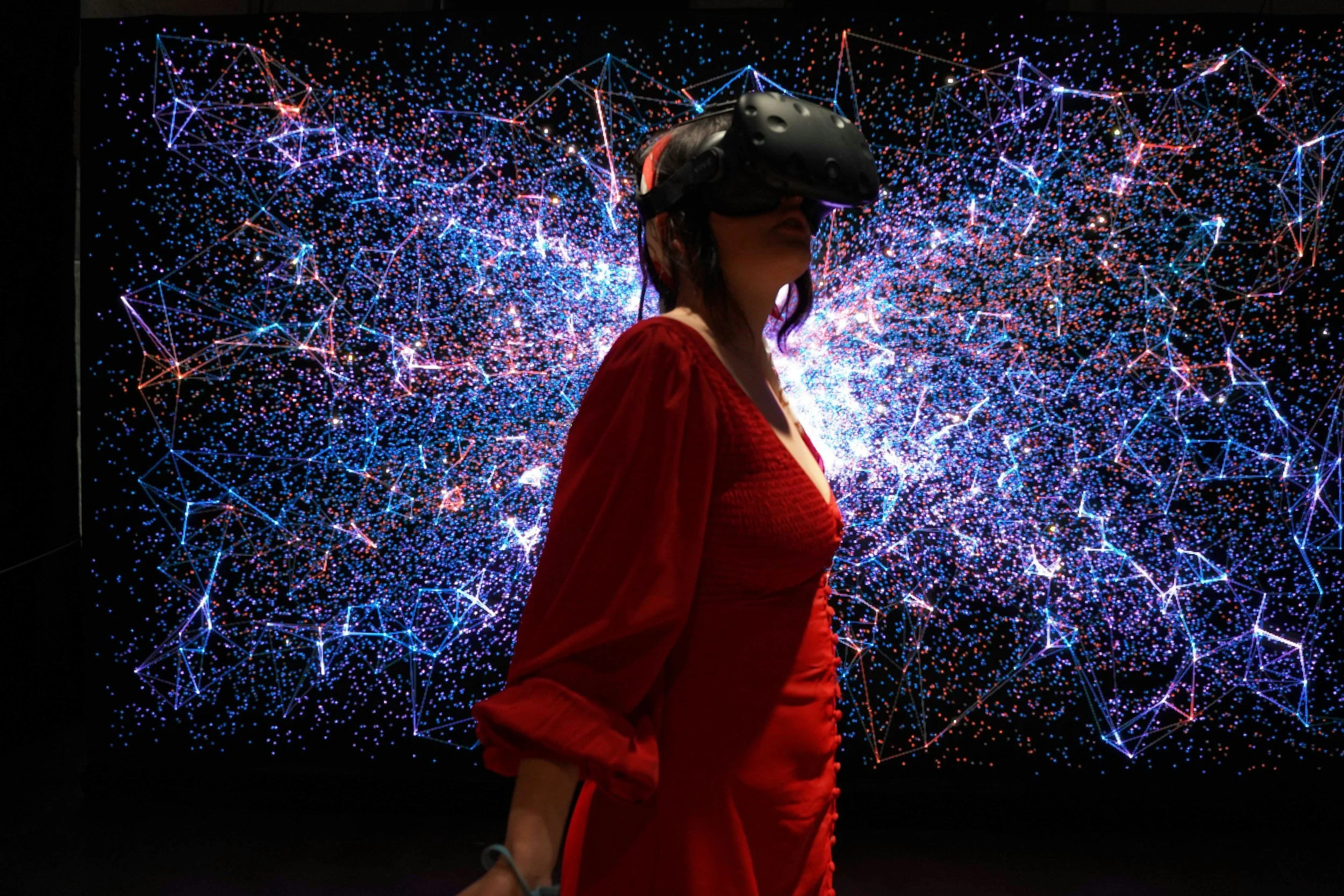
So essentially there are 3 main types of therapeutic games and 3 main forms of technology used to implement these games, so of which require physical gear, some are on phones and tablets as apps, and some just require technical adjustments to a client’s environment. The three main types of therapeutic learning games, from least to most immersive are: gamified environments (some game elements, integrate games into learning, not fully a game), game-based learning environments (full-fledged educational games to motivate learning), and serious games (intended to teach specific skills with games to increase motivation and commitment through animation and sensory simulations using rewards). The three main modalities (i.e., ways in which you can use this technology) from least to most immersive are: augmented reality (visualization, using physical objects and digital devices to alter reality), phone/tablet apps, and immersive virtual reality (when a client views a digital environment via computer graphics sometimes with motion-sensitive head mounted devices).
Most apps that are available on iPhones use either game-based learning environments or serious games. Some require a prescription and have FDA approval. Most are between $100 to $500 a month, which is sometimes covered by insurance, and require ongoing use, some are meant to achieve certain goals or receive explicit rewards, before completion. Some have rewards or therapeutic/teaching elements, and some require additional digital materials like a watch or a heart monitor for biofeedback aspects. Per the research, in order to see positive effects the child and/or parent needs to engage regularly, and generally most of these apps lack generalization and/or reduced effects when the child stops using it.
So let me give a few examples: Khan Academy (educational game-based learning for academic/language/memory skills on app/computer), Joon (app for ADHD and task completion using rewards), Mightier (serious game app for anxiety/ASD/ADHD/emotional dysregulation with a biofeedback component), Autispark (educational and functional games for children with ASD), Braingame-Brian (computer/app-based serious game for ADHD/EF), Endeavor Rx (for ADHD, FDA approved, prescription-based, immersive serious video game), and Plan-It Commander (computer/app serious game for children with ADHD).
Some examples of virtual reality games include: Secret Track of the Moon (a virtual reality serious game for children with ADHD that uses chess strategies to improve planning and problem-solving), Addventurous Rhythmical Planet (a serious game for children with ADHD that uses a 3D virtual reality platform with music to help improve timing, self-control, and social skills with cooperative social play), and Exergames (different games that use body movements to respond to commands and practice motor movements that are intended to reduce stereotypies and repetitive behavioral patterns).
The research has shown that those games that are successful at motivating and engaging students lead to increase executive functioning (planning, problem solving, focus, memory etc.), adaptive/independence skills, academic skills (reading, writing, math, language, motor control), and social- emotional skills (e.g., emotional regulation, empathy, self-control, perspective-taking, social awareness, eye gaze). Overall shown to be helpful for ASD, ADHD, anxiety, depression, bipolar disorder, PTSD, phobias, and language/learning differences and these can transfer such learning to every day life. It has been noted that children often experience increased engagement because they can “see the world through the eyes of playing the character.”
Of course there are always some down sides: VR can be expensive and hard to set up the extra gear, can be overwhelming sensory-wise, not always enough collaboration with mental health professionals, not always covered by insurance, sometimes difficult to create intrinsic motivation in a child when using rewards within these games. Mixed evidence in terms of generalization to real-life settings. Some VR games can causes nausea and/or dizziness.
So, overall, many of these options are a nice alternative for those who are avoidant or disinterested in traditional psychotherapies or medication and generally have positive effects across a wide-domain of skills and diagnoses; however, there may be some barriers including cost, availability, long-term benefits, adverse effects, and over reliance on external rewards.