
The troubled teen industry continues.
TTI refers to any congregate care institutions including: boot camps (10,000 for 90 day program, high rates of recidivism as well as physical and psychological abuse), wilderness camps/therapeutic ranches ($600 a day, several months, no evidence of benefit, evidence of abuse and neglect), residential treatment centers/therapeutic boarding schools (100,000 annually, typically around a 2 year stay, allegations of abuse, 90% of participants in a survey endorsed either negative or very negative experiences). Presently there are around 200,000 juveniles in congregate care institutions across the US.
I do need to mention that residential treatment center and other inpatient psychiatric facilities can be life-saving in the right situation and environment with well-trained and empathetic clinicians; however, we cannot deny the SIGNIFICANT amount of abuse that has occurred in these facilities.
The idea of tough love made a significant comeback in the early 80s, as it was promoted that “children are rotten” and “parents need to take back control.” At this time, TTIs reportedly aimed to replace “entitlement” with “compliance.” As such, in 1984 the KIDS program, which based on Straight model was established, which reportedly resulted of much of the similar abuse and poor outcomes. There was another resurgence of private facilities in 1987, resulting initially the Teen Help and in 1998 ultimately World-Wide Association of Specialty Programs and Schools (WWASP), run by Bob Lichfield and his family who were reportedly part of abuse and neglect at TTI programs beginning in the 1970s, which would become the largest conglomerate of troubled teen industry programs in the world until 2010, operating in various states and countries as well as initiating the “troubled teen escort service” to transport unwilling teens to the various programs. There were many gaps and loopholes in regulations as they vary state to state and no federal regulations. This why most facilities are located within certain states and countries, as there was no regulation by FDA and no controlled research for these private facilities. Not to mention, many ERs essentially function as a triage for mental health services, without being properly trained and funded to do so.
So, why would parents send their children to these programs? When former attendants of one of these programs were interviewed, they explained that most were placed because of running away, truancy, using substances, engaging in self-harm, violating curfew, being sexually active, or sometimes for being gay. Many parents reportedly prefer having a label assigned to their child rather than accepting ownership, as often times parents need intervention more than the children. Some parents react poorly to the embarrassment or denial that their child has been sexually abused and feel it best to remove them from their community. As Leonard Sax described in his book, The Collapse of Parenting, in the 90s we entered the era of “medicalization of misbehavior”, in which the burden of responsibility shifts to child and physicians rather than parents.
We also need to consider well-intentioned parents who made the decision to enroll their children in these programs, secondary to feelings of desperation. Parents have reported feeling frustrated, fearful, exhausted, and desperate. Some parents send kids away for fear of them being the “next school shooter” and parents being held responsible and are then provided with brochures with animals, beaches, mountains, boats, smiling teens etc., followed by false promises about care and outcomes. Moreover, there were also financial incentives for parents who refer other parents so get convinced its a good thing abs it is helping others. In fact, parents often so desperate they sell homes or take second mortgages. Most teens were generally placed in wilderness or boot camp programs first, often times by escort services which is essentially legal kidnapping with no to minimal government oversight, described by most as traumatic, as they often employ blindfolds, handcuffs, restraints, forced medication, and physical coercion. Many parents sign over parental rights for the duration of the “program” and/or “escort service”, which is not typically the intention of power of attorney.
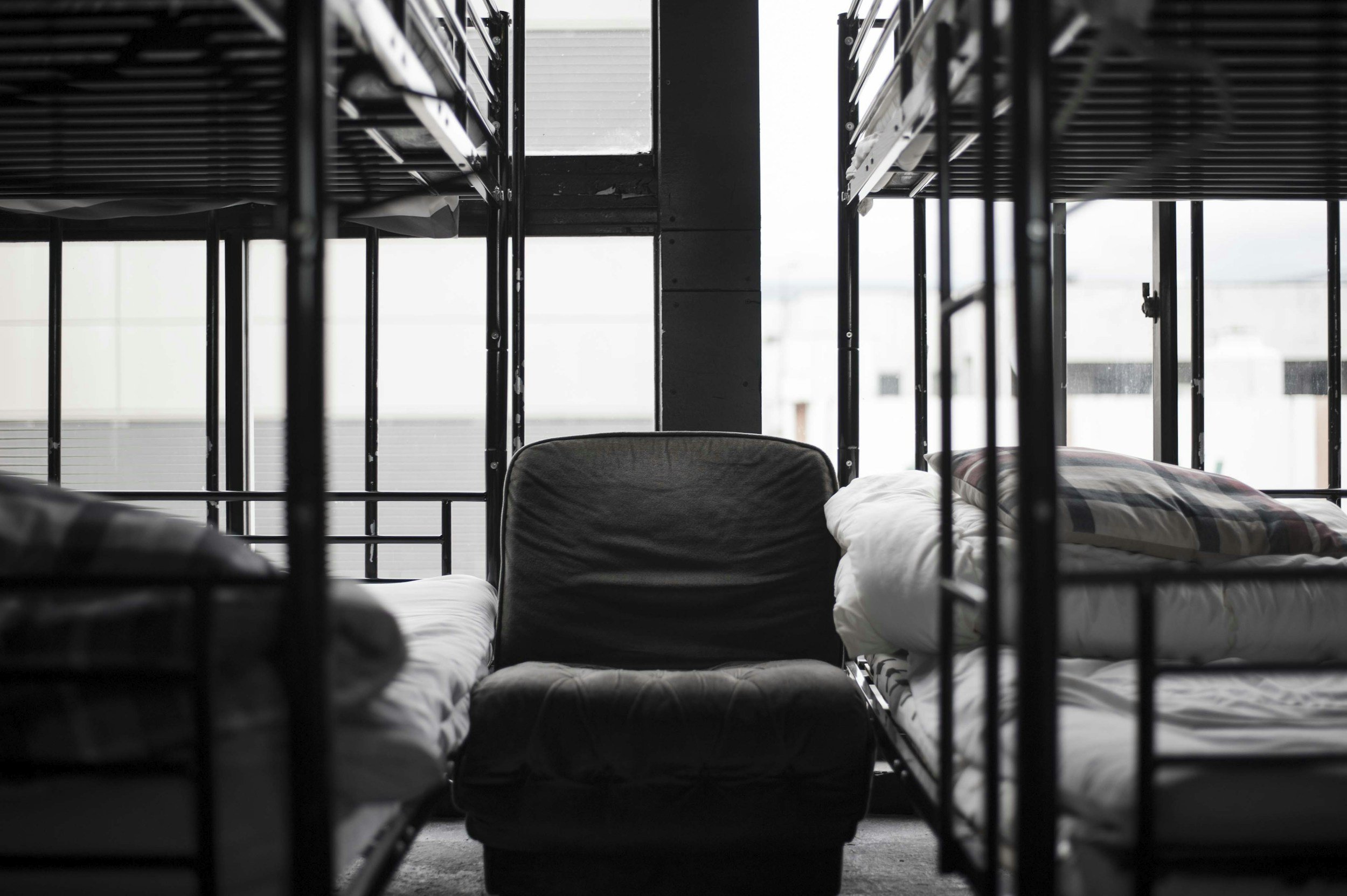
So how could this “long-term experiment” possibly go wrong? Well lets start with the physical environment: many facilities reportedly would remove doors any other forms of privacy, perform constant and unannounced “checks”, limited outside time, poor quality food, no hot water, foul smells, and mold. Some children were forced to sleep outside or without a bed and the facilities are generally located in remote locations so easy to isolate. Additionally, these “schools” often provided a lack of education, had a lack of credentialed teachers, lacked individualized programming and/or education, and some have even provided fake diplomas.
Not surprisingly, there has historically been a significantly lack of clinical care and evidence-based approaches, in addition to immoral treatment, and emotional neglect. For example, a staff member recommending that a child defecate in her underwear as a treatment for OCD, locking children in their room or isolation if suicidal, punishments for non-normative gender expressions, and exhibiting poor boundaries such as patients living with their own therapists or creating a “new family unit” with dysfunctional/abusive dynamics. It was explained that the staff tended to treat “bad behavior” not mental illnesses. Many also employed point systems designed to keep students “losing” so they would become compliant and desperate. Further, as a result of the lack of supportive care and proper psychotherapeutic treatment, many survivors have reported the removal of their identity and locus of control, a lack of agency, loss of basic dignity, victim-blaming (many kids were shamed for the abuse they experienced prior or during placement), forced people-pleasing, and cutting the children off from family and friends during placement. Parents were told not to communicate or communicate with harshness and lack of “touchy-feely” to reinforcement their consequences and eliminate entitlement.
While at these facilities, many needs were seen as privileges and many students conformed out of the fear of punishment, creating forced competition and distrust between peers. Staff rewarded peers for humiliating behaviors, including homophobic bullying by peers and staff, at the beginning and build them back up right before “release”, resulting in learned helplessness and conformity as well as making love conditional. Some were denied access to peer contact information so would create codes (e.g., circle numbers in books) to remain in contact. and connections with peers either platonic or romantic were not permitted, resulting in poor and atypical social experiences and communication,. Many students also reported missing birthdays, funerals, weddings, graduations, prom etc. Children, even teens in the latter years, are vulnerable to trauma because their brains are still developing, this abuse and forced toxic interactions often exacerbated existing trauma and increased self-harming in facilities because of lack of control/trauma. Many also experienced a lack of proper assessment and diagnosis and those with co-occurring neurodevelopment disorders (often misdiagnosed) can especially struggle in these settings: sensory overload, interpersonal difficulties, not understanding rules, limited diet, need specific kinds of therapy, mimic inappropriate behavior, easier to manipulate and abuse etc., all resulting in a lack of reliable, longitudinal, and unbiased data demonstrating effective in any residential treatment-type program.
Most horrifically, many to all of these facilities have in engaged in physical and psychological abuse, medical neglect, and/or corruption- so let’s talk specifics. Congregate care facilities have historically become breeding grounds for sexual assault and physical medical and medical neglect.” When children have low points within the “system”, they were unable to make eye contact or speak to anyone without the threat of physical abuse. Some were locked in dog cages/boxes if they pushed back on the demands of the staff at all. Children seen as easier to abuse when they have a reported history of lying. Sexual and verbal abuse have been reported as well. Staff reportedly felt justified in their actions of abuse because the children were “spoiled.” Some children were so desperate they were willing to perform sexual favors to staff for food and blankets, especially those in Wilderness Programs. In fact, some were forced to write 150,000 essays to get any food. Medication is often forced and inappropriate for the child, sometimes making symptoms worse or causing suicide.“Medical professionals” on staff may mean that they come only once a month to see all children at the facility. There were often no qualified therapists or medical professionals and the staff were often not trained in CPR. In wilderness programs, many became severely ill (dehydration, ulcers, sepsis, hyperthermia, hypothermia, delirium, unable to control bowels, significant weight loss etc.) and told they were faking it and denied food and water in addition to excessive exercise, and being denied blankets/fire. Parents have to commit to “vow of secrecy” regarding methods of programs and some of the parent manuals stated “expect false account of abuse from your child”,while providing the parents with waivers to exempt themselves from liability. All phone calls were recorded and infrequently provided. Most facilities are private, for profit, tied to big corporations/insurance companies, don’t carry malpractice insurance, and are marketed to rich families by “brokers”, “educational consultants” or “religious institutions.” Educational consultants were not required to disclose any kickbacks or other conflict of interest and in fact, the Government Accountability Office reportedly found that parents would be recommended to the same program for children of different ages, diagnoses, needs, and profiles because the educational consultant was married to the owner of that particular facility. Staff often have lack of credentials, and there were no to minimal background checks. Staff often circulate from facility to facility as they are shut down without investigation. Some facilities have been found to adjust diagnosis codes to justify longer stay (aka more money). Moreover, they would refrain from upsetting or putting any onus of responsibility on the parents because they wanted to continue receiving their money.
There is significant research that documents some of the long-term outcomes of congregate care facilities; however, much of what we know in recent years come from survivors speaking out and/or engaging in legal retaliation publicly. Research shows the longer the time spent in a TTI facility, the worse the outcomes, as well as significantly increased rates of PTSD, anxiety, depression, substance abuse, suicide, cancer, and other illnesses. Additionally, survivors of TTIs often experience overdoses, suicide, houselessness, and interpersonal difficulties.
Per survivor’s first accounts, many reported feeling dehumanized, as if they were a criminal trapped in prison, felt as though they couldn’t trust anyone, were afraid to share how they were really feeling, some experience survivor’s guilt if there friends/peers didn’t survive prior or post placement, as they have often been trauma bonded. Many have reported significant estrangement from parents during and post placement. Survivors are often dismissed from programs at 18 but would be cut off emotionally, financially, logistically with no to minimal psychiatric care. Some children unable to go to college or have money to start adulthood because all was spent on facility. Some described a change in perspective, having needed a wake-up call, but feels the methods were less than therapeutic or supportive. Some survivors have expressed wanting an apology from those who mistreated them, while do not. And of course most alarming and horrifying, there have a tremendous amount of deaths of children while in congregate care facilities, reportedly including 89 in the 1990s, 142 in the 2000s, 91 in the 2010s, and several reported in the past 5 years, most secondary to physical abuse, medical neglect, or suicide. Deaths sometimes resulted from physical restraint, suicide, dehydration, physical abuse, medical neglect, killed during attempted escape. In cases of suicide, many were not suicidal upon entry, some were with poor supervision or abuse accelerating. Of note, many had complicated factors to their death, for example a combination of sexual abuse, physical abuse and medical neglect or sexual abuse, overmedication, and suicide. I also want to note that, though this episode focuses on the “troubled teens” with largely psychiatric placements, there a several children who have died in similar manners while institutionalized for cognitive disorders (severe autism, intellectual delay, physical disabilities etc.)
The Child Abuse Prevention and Treatment Act provides state guidance on child protection, can be violated by the facilities responsible for care of the children. In the early 2000s, secondary to significant reports of abuse and death, the NIH drafted a Consensus Report on Treatment for Teens, which stated that “programs that seek to prevent violence through fear and tough treatment do not work, and there is some evidence that they may make the problem worse…there is no reason to believe that group detention centers, boot camps, or other “get tough” programs do anything more than provide an opportunity for delinquent youth to amplify negative effects on each others.” The only agency that provide objective reporting on residential treatment facilities is the United State Government Accountability Office (GAO), an independent, non-partisan agency that began in 2007. In 2012, the US Department of Education stated that there was “No evidence that using restraint or seclusion is effective in reducing the occurrence of the problem behaviors that frequently precipitate the use of such techniques”, The UN Human Rights Committee on the Rights of Persons with Disabilities stated in 2014: “forced Treatment must be abolished in order to ensure that full legal capacity is restored to persons with disabilities on an equal basis with others.” In 2020, there was a class action lawsuit against Trinity Teen Solutions and Triangle Cross Ranch on charges of human trafficking and abuse as well as forced labor, racketeering, negligence, and emotional distress.
From a political and legal standpoint it has been recommended that there be state-based bills of rights for children in residential treatment centers. There has been some state legislation in the past decade to improve regulations surrounding these facilities. For example, in 2021, Utah, which houses the most TTI facilities (mormonism, lax regulations, open space, brings significant employment and profit from the state), based SB127 into law which prohibits any cruel, severe, unusual, or unnecessary practices including strip searches, fear or humiliation-based discipline, physical restraints, or seclusion without a showing of absolute necessity, which need to be reported within one-business day, confidential voice-to-voice communication with family as well as unannounced inspections of these facilities, However, no federal regulations despite many proposed bills. For example, in 2008 the Stop Child Abuse in Residential Programs for Teens Act was introduced to congress to prohibit abuse, neglect, humiliation, withholding of food/water, unnecessary restraints/seclusion, access to communicate with parents, employees required to have training and background checks, publicly disseminate violations; however, it failed in 2008 and 2009, 2011, 2013, 2015, and 2017. In April 2023, with the help of Paris Hilton’s advocacy, Stop Institutional Child Abuse Act (Rep Ro Hanna), would establish a Federal Work Group on Youth Residential Programs, would build a national database of programs, each child’s stay, use of restraints/seclusion, and outcome data, require licensing and accreditation as well as “improving accessibility and development of community-based alternatives to youth residential programs and assist in preventing the need for out-of-home placement of youth in residential programs.” At present, this act is still pending. However, even if it does pass, author and advocate Maia Szalavitz stated in her book, Help at Any Cost, “this act is far from enough to corral a billion-dollar industry that profits from harming kids.” I feel it important when advocating for change or when other parents are hearing mixed messages about what might be best for their child.
On a somewhat positive note, thanks to survivors sharing their stories and the advocacy of many survivors, parents, mental health care providers, and others, there have been many positive developments and pushes for change in recent years, despite continued harm. So let’s discuss some of the potential solutions and what we can all learn from this. One potentially beneficial avenue is the soteria model, which are houses run by a combination of medical and non-medical staff, where treatment is consensual, staff and residents are considered peers, everyone’s experiences are valued, there is minimal medication prescribed, and lack of “forced healing.” Per the reserarch, soteria houses have been shown to be either consistent with or slightly more effective at reducing “psychotic symptoms” and improving functioning than traditional psychiatric ward, as they benefit from collaborative work with therapeutic team, daily face to face contact with therapists, positive and natural interactions with peers within the environment, compassionate therapists and staff, increased therapist-patient alliances, voluntary participation, others with lived experience, and homelike, quiet, supportive, and tolerant environments. Soteria houses have been found to be more cost effective, demonstrate better long-term outcomes, promote increased self-reliance, are less stigmatizing, and often divert from people going to psychiatric ER. However, there has been longstanding difficulty with funding and support, limited evidence despite positive outcomes, resulting in placements often not covered by insurance.
Meg Applegate is co-founder of Unsilenced, a non-profit agency to stop child abuse, empower self-advocates, to be heard, validated, and believed. The combination of Project Speak/Unsilenced prevents children from going into TTIs, provides psycho-education to those in a position to place (parents and professionals), support groups for survivors, database of complaints (3500 programs), and justice support team for investigations. Per the research, it was beneficial to provide information and access to community-based alternatives, as intensive community support led to significantly less self-harm as compared to inpatient psychiatric facilities. Additionally, it is imperative that we provide, at a minimum, dignity, respect, open communication, safety, medical care, supervision, mental health treatment, education, and ability to express grievances without retribution. Children need compassion, responsibility, independence, and family cohesion/trust in order to heal and grow. Participants reportedly have the most positive outcomes when relationships with family and friends were fostered rather than severed and when allowed to connect with peers in their program. We need to allow private discourse with family and access to personal injury lawyers and adequate health care.
We absolutely need to see elimination of these transport and escort services in full, a lack of restraints or isolation (except for when no other option in immediate danger of harm, trained and standardized/dignified manner). Additionally, independent evaluations for each child by an outside provider/consultant are warranted. If you are a parent, try not to panic if find out child is using drugs. If the situation is severe and urgent, there are options for regulated drug rehabilitation for a short stay. Parents need to adjust their expectations for success, and, if necessary, should absolutely should choose a facility with medical professional on staff 24/7. In terms of post-survival, many survivors have described healing from helping others, finding any success, appropriate therapy, finding own self-worth, feeling pride, loving others, taking legal action, forgiveness, acceptance, validation, and community. There is also a TTI-specific therapist directory and Unsilenced provides independence packs because of houselessness, lack of education/employment, and estrangement (backpack, laptop, gift cards etc.).